
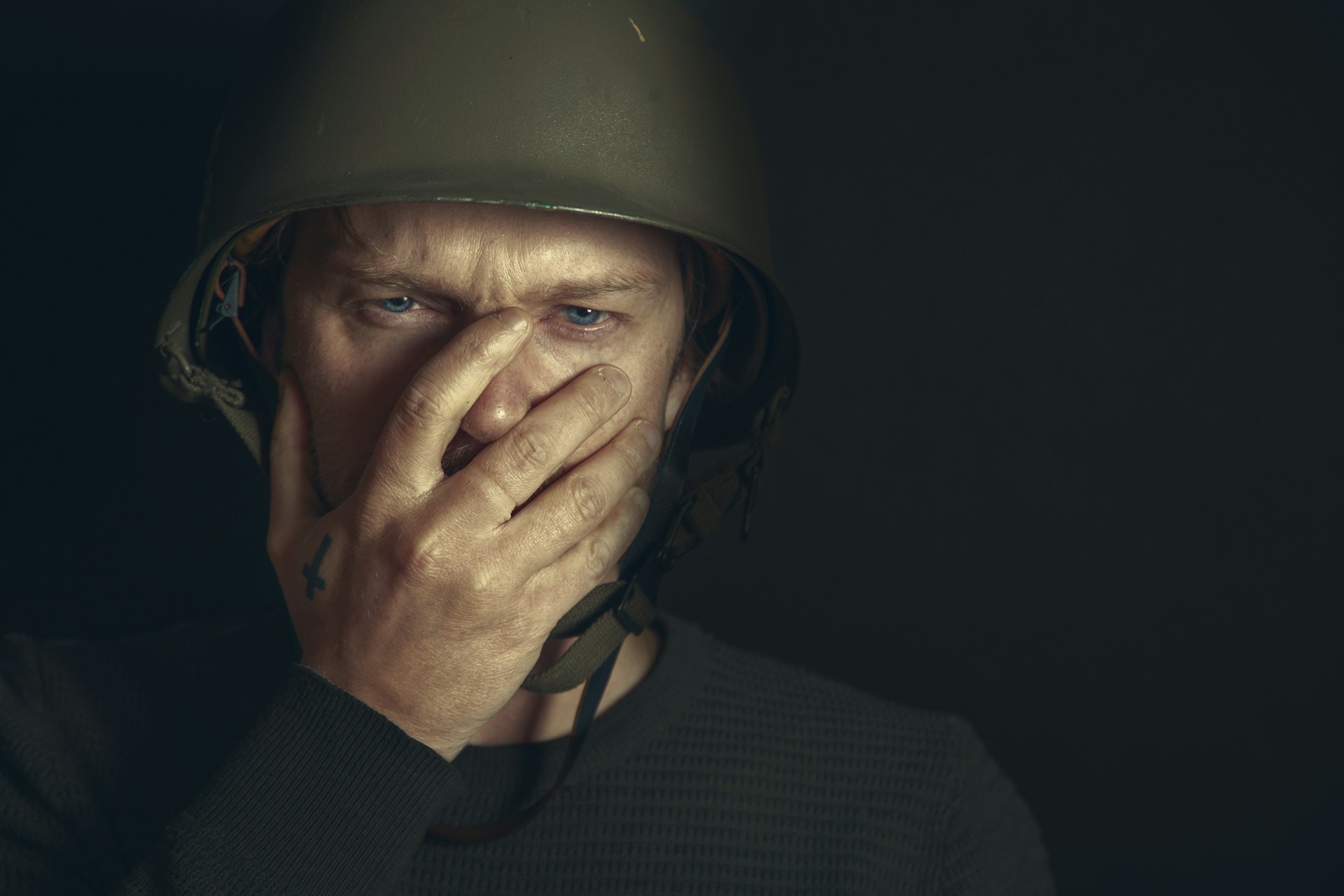
The Family Burden of Post-Service Mental Health Challenges
When soldiers return from deployment or first responders finish another shift filled with tragedy, the trauma they carry does not just stay at work; it enters their homes, their relationships, and the hearts of the people who love them most.
Conditions like Post-Traumatic Stress Disorder (PTSD), depression, and moral injury have long-lasting effects not only on the person experiencing them but also on spouses, children, parents, and caregivers. Families often feel confused, helpless, or emotionally overwhelmed. Without treatment, these conditions can tear apart the structure of daily life, communication weakens, stress rises, and emotional connection fades.
Research consistently shows that family burden is one of the most significant consequences of untreated mental health conditions in veterans and first responders.
With growing awareness and modern treatments like rTMS (repetitive Transcranial Magnetic Stimulation) and Ketamine therapy, families today have more paths to healing than ever before. This blog explores the hidden emotional toll trauma takes on families, why untreated PTSD gets worse over time, and how evidence-based treatments can restore connection, stability, and hope.
>> Related Posts: Making an Informed Choice: The Pros and Cons of TMS Therapy
Symptoms of PTSD: What Families Start Noticing
PTSD is a psychiatric condition that occurs after someone experiences or witnesses a deeply disturbing event, such as combat, life-threatening emergencies, violence, disasters, or death. Veterans and first responders are at especially high risk because their roles expose them to repeated trauma. PTSD affects nearly 30% of military personnel and 10–20% of first responders, depending on their exposure level.
PTSD has emotional, behavioral, and physical symptoms that show up at home in subtle and sometimes shocking ways.
Common Symptoms Include:
- Flashbacks or vivid memories
- Nightmares
- Avoiding crowds, loud sounds, or reminders of the trauma
- Sudden anger or irritability
- Hypervigilance (always on edge or scanning for threats)
- Numbness or lack of emotional expression
- Difficulty sleeping
- Trouble concentrating
- Feelings of guilt or hopelessness
>> Related Posts: How to Help Veterans with PTSD: Causes, Signs, Symptoms & Treatment
The Hidden Toll on Families of PTSD
PTSD is often described as a “family illness” because its effects ripple through every relationship in the home. A study in the Brazilian Journal of Psychiatry found that family members of people with PTSD experience high levels of emotional stress, burden, and decreased quality of life.
1. Spouses and Partners
Partners often experience:
- Emotional distancing
- Breakdown of communication
- Feeling unwanted or unloved
- Becoming “emotional caretakers”
- Burnout and exhaustion
2. Children
Children of parents with PTSD may:
- Feel scared of sudden anger or irritability
- Take on adult responsibilities
- Experience anxiety or emotional withdrawal
- Struggle academically
- Misinterpret their parents’ emotions as rejection
3. Parents and Adult Caregivers
Parents of veterans or first responders may:
- Constantly worry about the safety of their child
- Feel helpless watching them struggle
- Become caregivers themselves
>> Related Posts: Exploring TMS as a Breakthrough Treatment for ADHD
Depression and Moral Injury Due To PTSD
Not all trauma shows up as fear. Sometimes it shows up as emptiness, depression, or deep internal conflict.
Depression:
- Loss of interest in daily life
- Hopelessness
- Fatigue
- Social withdrawal
- Thoughts of self-harm
Moral Injury:
This occurs when a person’s actions (or inactions) violate their moral beliefs. Examples:
- “I couldn’t save someone.”
- “I hurt someone during duty.”
- “I failed to protect my team.”
Families often don’t know how to respond because the person seems haunted by guilt or shame.
>> Related Posts: TMS Treatment Cost in Australia: What You Need to Know
Treating PTSD with rTMS and Ketamine Therapy: Support from Mind Connections Specialist Health Services
At Mind Connections Specialist Health Services, our experienced psychiatrists and psychologists offer compassionate, personalized care, making these innovative treatments accessible to those who need them most.
rTMS (Repetitive Transcranial Magnetic Stimulation) is a non-invasive treatment using magnetic pulses to stimulate brain regions involved in mood regulation. It has several benefits, including being drug-free, having minimal side effects, and effectively treating conditions like treatment-resistant depression and PTSD. Patients often experience improvements in sleep, focus, and emotional stability. At Mind Connections, our specialists utilize the latest rTMS technology, tailoring treatment to individual needs.
Ketamine Therapy works on the brain’s glutamate system and can rapidly relieve severe depression and PTSD symptoms, sometimes within hours. Benefits include quick symptom relief, reduction in suicidal thoughts, enhanced emotional processing, and support in reconnecting with loved ones. Mind Connections offers expert-led Ketamine Therapy as part of an integrated mental health approach, providing comprehensive support during your healing journey.
If you or a loved one is seeking advanced PTSD treatments delivered with empathy and professionalism, Mind Connections is here to help.
Book Your Appointment with our trusted specialists dedicated to supporting your recovery with innovative therapies.
>> Related Posts: Early Signs of Addiction Risk in Children Every Parent Needs to Know
FAQs
1. What is PTSD, and why is it common among veterans and first responders?
PTSD is a mental health condition caused by traumatic events. Veterans and first responders face repeated exposure to trauma, making them at high risk.
2. What symptoms should families look out for?
Flashbacks, nightmares, anger, emotional numbness, hypervigilance, and withdrawal are common signs.
3. What happens if PTSD goes untreated?
Untreated PTSD worsens over time and increases the risk of depression, addiction, and suicide.
4. How does PTSD affect children?
Children may develop anxiety, fear, and behavioral problems due to unpredictable emotional patterns in the home.
5. What is moral injury?
Moral injury occurs when someone’s actions conflict with their moral values, causing deep guilt or shame.
6. Do families experience emotional burden?
Yes. Research shows families experience high levels of stress, burnout, and reduced quality of life.
7. How can spouses support their loved ones with PTSD?
Understanding triggers, encouraging treatment, practicing patience, and joining family therapy can help.
8. What is rTMS, and how does it help?
rTMS is a non-invasive treatment that uses magnetic stimulation to reduce PTSD and depression symptoms.
9. How does Ketamine help in PTSD and depression?
Ketamine works rapidly to relieve severe depression and PTSD by targeting glutamate pathways in the brain.
10. Can families heal from the effects of trauma?
Absolutely. With proper treatment and support, families can rebuild trust, communication, and emotional connection.